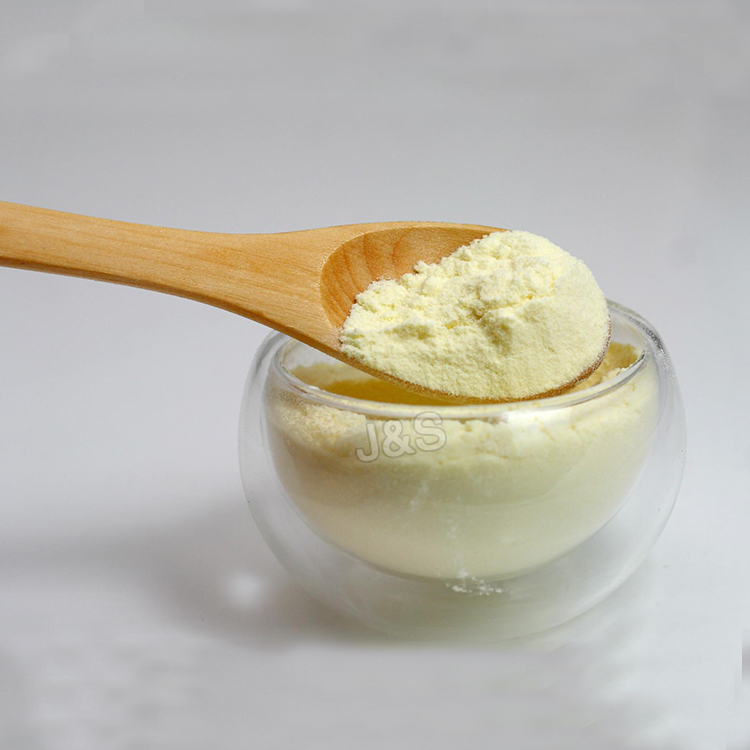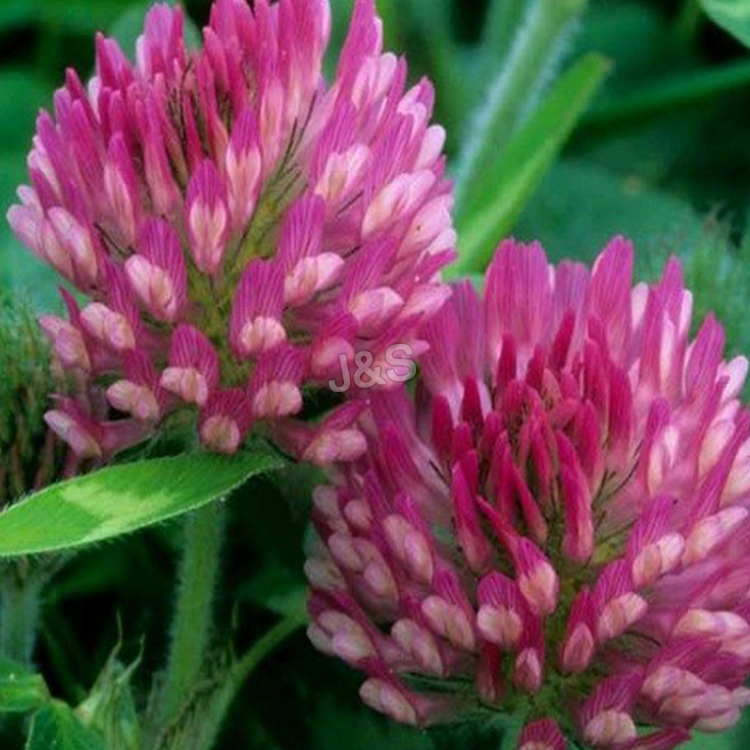
OEM/ODM Supplier for Red clover extract Wholesale to Mexico City
OEM/ODM Supplier for Red clover extract Wholesale to Mexico City Detail:
[Latin Name] Trifolium pratensis L.
[Specification] Total isoflavones 20%; 40%; 60% HPLC
[Appearance] Brown to tan fine powder
Plant Part Used: Whole herb
[Particle size] 80Mesh
[Loss on drying] ≤5.0%
[Heavy Metal] ≤10PPM
[Storage] Store in cool & dry area, keep away from the direct light and heat.
[Shelf life] 24 Months
[Package] Packed in paper-drums and two plastic-bags inside.
[Net weight] 25kgs/drum
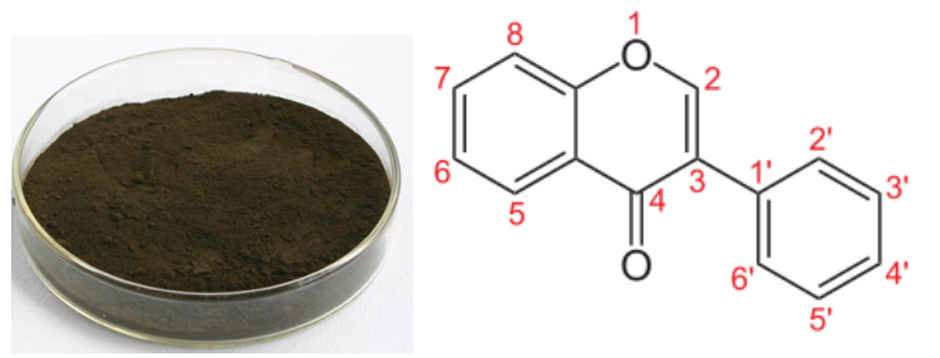
[What is Red Clober]
Red clover is a member of the legume family – the same class of plants where we find chickpeas and soybeans. Red clover extracts are used as dietary supplements for their high content of isoflavone compounds – which possess weak estrogenic activity and have been associated with a variety of health benefits during menopause (reduction of hot flashes, promotion of heart health and maintenance of bone density).
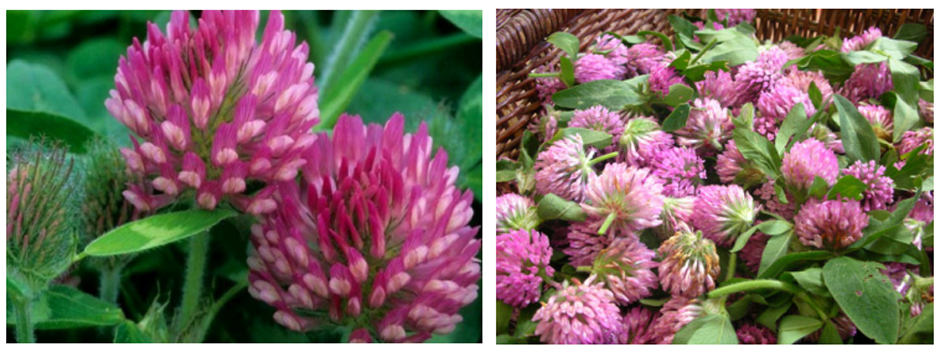
[Function]
1. Red Clover Extract can Improving health, anti-spasm, known for healing properties.
2. Red Clover Extract can Treating the skin diseases (such as eczema, burns, ulcers, psoriasis),
3. Red Clover Extract can Treating respiratory discomfort (such as asthma, bronchitis, intermittent cough)
4. Red Clover Extract can Owning anti-cancer activity and prevention of prostate disease.
5. Red Clover Extract can Most valuable of its estrogen-like effect and alleviate breast pain suffering.
6. Red Clover Extract can Contained red clover isoflavones plays in a weak estrogen, estrogen reduces the number and thusalleviate the suffering.
7. Red Clover Extract can Maintaining bone mineral density in postmenopausal women
8. Red Clover Extract can Raising high density lipoprotein cholesterol.
Product detail pictures:
Related Product Guide:
Bear "Customer first, High quality first" in mind, we perform closely with our consumers and provide them with efficient and experienced services for OEM/ODM Supplier for Red clover extract Wholesale to Mexico City , The product will supply to all over the world, such as: panama, Accra, Israel, With a fully integrated operation system, our company has won a good fame for our high quality goods, reasonable prices and good services. Meanwhile, we have established a strict quality management system conducted in material incoming, processing and delivery. Abiding by the principle of "Credit first and customer supremacy", we sincerely welcome clients from home and abroad to cooperate with us and advance together to create a brilliant future.
What is CELLULOSE FIBER? What does CELLULOSE FIBER mean? CELLULOSE FIBER meaning – CELLULOSE FIBER definition – CELLULOSE FIBER explanation.
Source: Wikipedia.org article, adapted under https://creativecommons.org/licenses/by-sa/3.0/ license.
Cellulose fibers are fibers made with ether or esters of cellulose, which can be obtained from the bark, wood or leaves of plants, or from a plant-based material. Besides cellulose, these fibers are compound of hemicellulose and lignin, and different percentages of these components are responsible for different mechanical properties observed.
The main applications of cellulose fibers are in textile industry, as chemical filter, and fiber-reinforcement composite, due to their similar properties to engineered fibers, being another option for biocomposites and polymer composites.
Cellulose fibers market has been witnessing strong growth over the past few years on account of increasing demand from textile industry. Growing environmental friendly, skin friendly and bio-degradable fabrics demand is the key factor, expected to drive the market by 2020.
Cellulose is a polymer made of repeating glucose molecules attached end to end. A cellulose molecule may be from several hundred to over 10,000 glucose units long. Cellulose is similar in form to complex carbohydrates like starch and glycogen. These polysaccharides are also made from multiple subunits of glucose. The difference between cellulose and other complex carbohydrate molecules is how the glucose molecules are linked together. In addition, cellulose is a straight chain polymer, and each cellulose molecule is long and rod-like. This differs from starch, which is a coiled molecule. A result of these differences in structure is that, compared to starch and other carbohydrates, cellulose cannot be broken down into its glucose subunits by any enzymes produced by animals.
Natural cellulose fibers are fibers that are still recognizable as being from a part of the original plant because they are only processed as much as needed to clean the fibers for use. For example, cotton fibers look like the soft fluffy cotton balls that they come from. Linen fibers look like the strong fibrous strands of the flax plant. All “natural” fibers go through a process where they are separated from the parts of the plant that are not used for the end product, usually through harvesting, separating from chaff, scouring, etc. The presence of linear chains of thousands of glucose units linked together allows a great deal of hydrogen bonding between OH groups on adjacent chains, causing them to pack closely into cellulose fibers. As a result, cellulose exhibits little interaction with water or any other solvent. Cotton and wood, for example, are completely insoluble in water and have considerable mechanical strength. Since cellulose does not have a helical structure like amylose, it does not bind to iodine to form a colored product.
Natural fibers are compose by microfibrils of cellulose in a matrix of hemicellulose and lignin. This type of structure, and the chemical composition of them is responsible for the mechanical properties that can be observed. Because the natural fibers make hydrogen bonds between the long chains, they have the necessary stiffness and strength.
Manufactured cellulose fibers come from plants that are processed into a pulp and then extruded in the same ways that synthetic fibers like polyester or nylon are made. Rayon or viscose is one of the most common “manufactured” cellulose fibers, and it can be made from wood pulp.
https://diabetessugarcontrol.mysocialtoolkit.com/
https://www.davegsmith.com/
https://davesmith.ludaxx.com
Powerful Antioxidant, How it Functions for
To conclude, usage of F21, PEARL and KONLI herbal tea for wellness physical fitness must be motivated because of their various synergistic results.
F21 is an All Natural Sugar Blocker that helps limit your blood sugar absorption. It consists of different compounds found to have various health benefits, such as L-Arabinose, Coriolus Versicolor Polysacchride, Konjac-Mannan, Magnesium Stearate, Mint flavor: Menthol and Natural Colors. F21 not only does it help promote weight loss, (PSK) boosts your immune system response. In fact, for every gram of F21, you can block up to 20 grams of sugar (sucrose). The formula not only helps promote weight loss, it benefits the digestive system by allowing the blocked sucrose to support beneficial probiotic bacteria while the polysaccharide (PSK) boosts your immune system response.
Contact
Dave Smith https://www.davegsmith.com/
Diabetes control :
00:00:05 Diabetes control
00:00:04 loseweight
00:00:03 Diabetes control
00:00:02 Herbs for diabetes
00:00:01 Diabetes control
 By Juliet from Angola - 2017.10.13 10:47
We always believe that the details decides the company's product quality, in this respect, the company conform our requirements and the goods are meet our expectations.
By Rosemary from Seattle - 2017.08.21 14:13